The Power of Value Addition in Mango Farming-
Value addition involves processing raw mangoes to create products with longer shelf lives and higher market value.
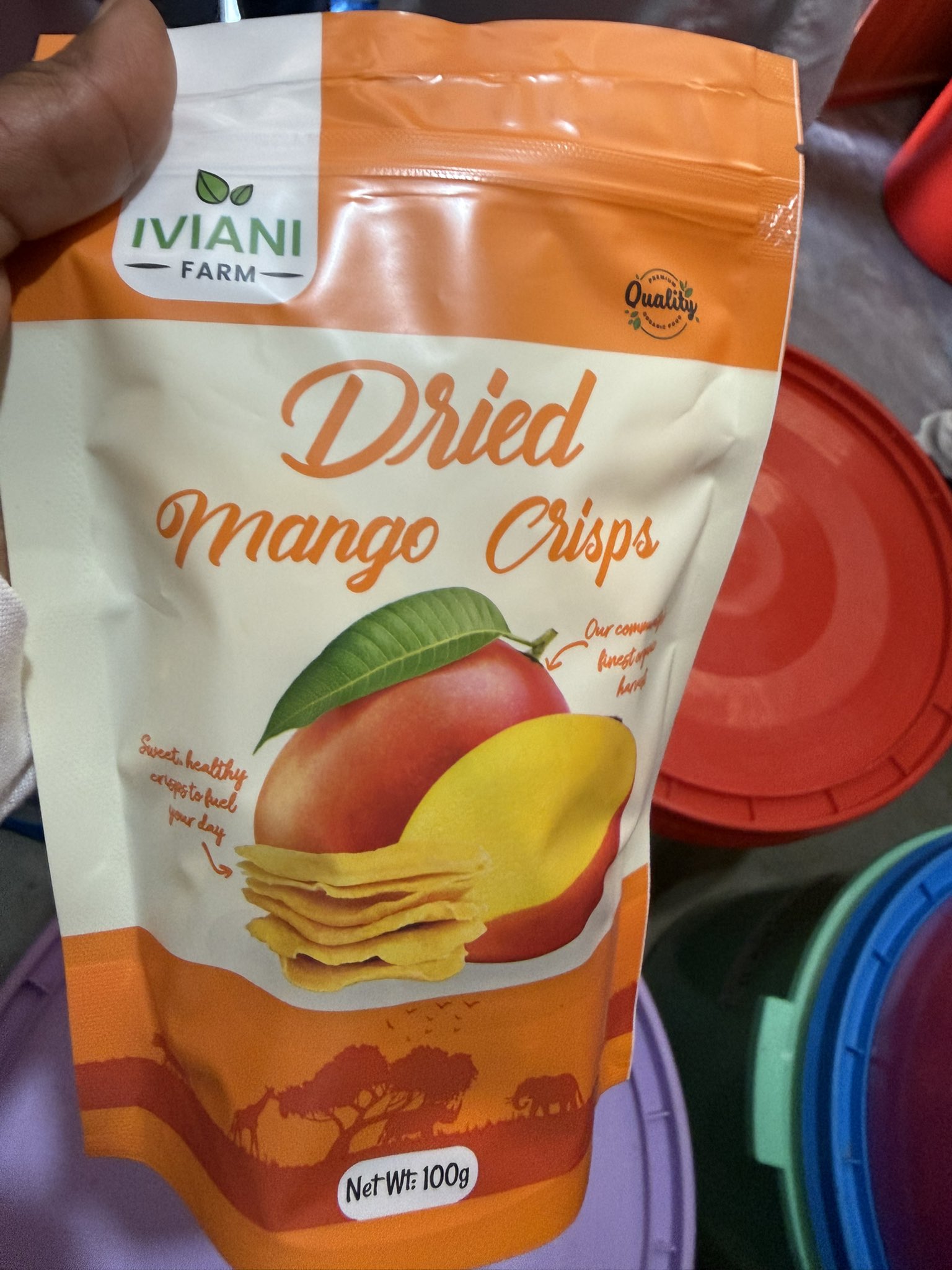
Drying, one of the most accessible methods for small-scale farmers, preserves the fruit's natural sweetness, nutrients, and appeal while making it easier to store and transport.
Unlike fresh mangoes, which fetch low prices during peak seasons (often as little as Ksh 5-10 per kg), dried mango can command premiums of 300-400% markup, turning a potential loss into profit.
In Kenya, where only about 10% of mangoes are currently processed, this represents untapped potential for rural economies.
Why focus on dried mango? It's nutritious—rich in vitamins A, C, and E, fiber, and antioxidants—aligning with global trends toward healthy snacks.
Solar-dried varieties retain 60-90% of beta-carotene, helping combat vitamin A deficiency common in sub-Saharan Africa.
Plus, it's versatile: sold as snacks, ingredients for cereals, or exported to health-conscious consumers in Europe and the US.
Economic Benefits: From Farm Loss to Steady Income
For smallholder farmers, value addition isn't just an option—it's a necessity for resilience. Traditional mango sales are volatile, with prices crashing during harvests due to oversupply. Processing into dried slices stabilizes this: one acre of mangoes can yield products worth Ksh 500,000 or more annually, compared to far less for fresh fruit
Studies show farmers can double their profits by shifting to value-added products, with margins soaring as high as 200-400%.
In Kenya, consumer awareness of dried mango is low (around 16%), but those in the know are willing to pay a 29% premium for naturally preserved options.
The global dried tropical fruits market is booming, projected to grow from USD 9.1 billion in 2026 to USD 15.3 billion by 2034 at a 6.7% CAGR, driven by demand for healthy, convenient foods.
Locally, initiatives like those in Makueni County demonstrate success: farmers using industrial dehydration turn 1,000 kg of fresh mango into 100 kg of dried product, securing year-round income and accessing export markets.dcefae Export prices range from USD 3.50-22.70 per kg, far outpacing domestic fresh sales.
Beyond profits, value addition creates jobs—especially for women and youth in processing—and reduces food waste, supporting food security
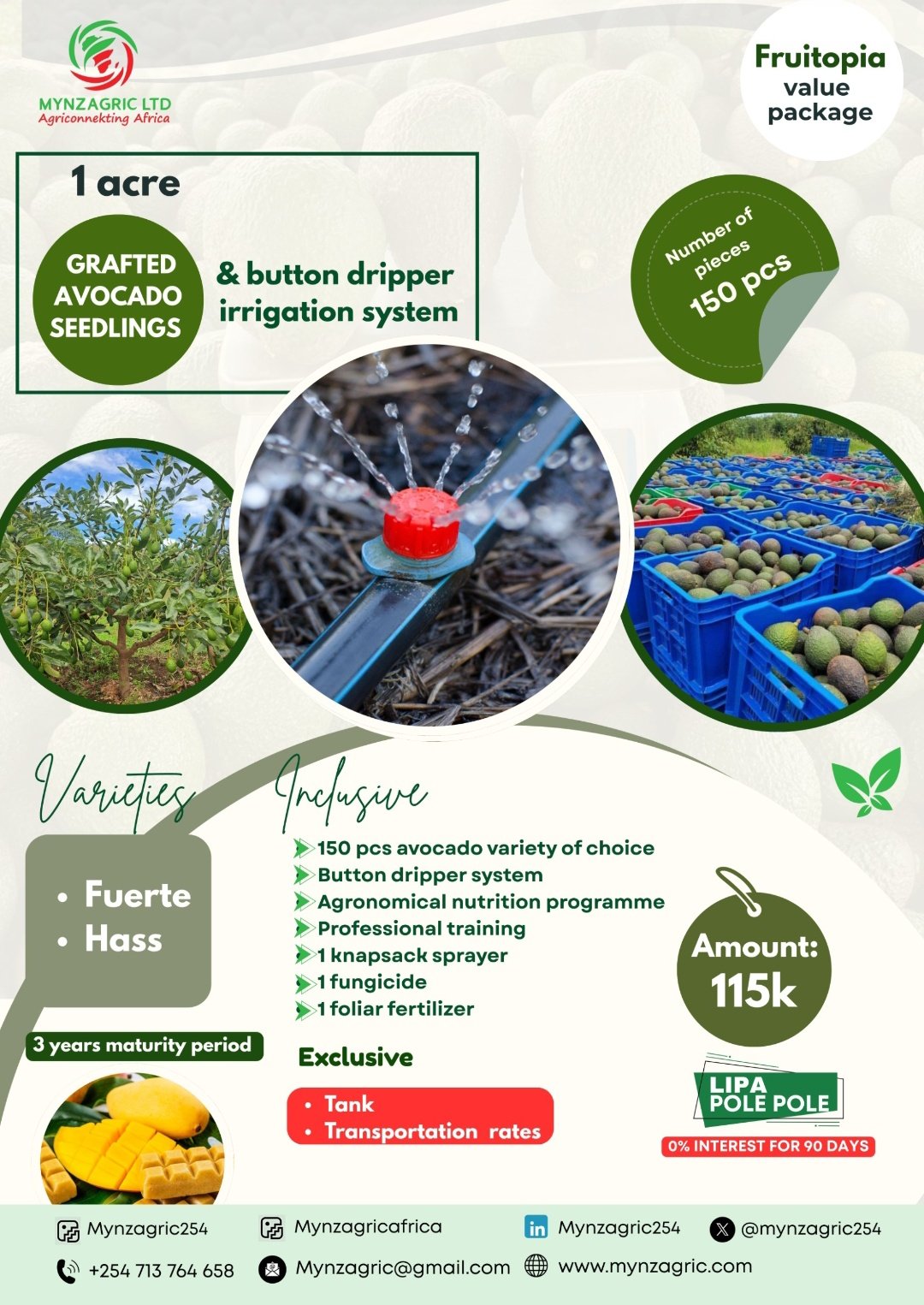
Fruits seedlings ready for transplanting. Click this link to message us on WhatsApp: https://wa.me/254713764658 Visit www.mynzagric.com Strawberry 🍓 150/= Grafted Hass Avocado 🥑 200/= Grafted Fuerte Avocado 🥑200/= Grafted Tommy mango🥭 200/= Grafted Apple Mango 🥭 200/= Grafted Van dyke mango 🥭 200/= Grafted Ngowe mango 🥭 200/= Alphonso Mango 🥭 400/= Grafted Macadamia Muranga ( 20) 350/= Grafted purple Passion seedlings 200/= Loquats 300/= Giant granadilla 600/= Sweet granadilla 200/= Grapes seedlings 350/= Grafted pixies Orange 🍊 300/= Grafted Washington orange 🍊 200/= Grafted Valencia Orange 🍊 200/= Grafted Tangerine 🍊 200/= Minneola Tangelo orange 🍊 250/= Kumquat Oranges 🍊 sh 600/= Blood Orange 🍊 500/= 🍊🍊 lime 250/= Sudachi lemon 2500/= lemon 🍋 200/= Variagated Pink Lemon 🍋- 800/= Sweet lemon 350/= Paw Paw 150 /= Grafted Tree tomato 200/= Apple 🍎🍏 seedlings 1000/= guavas ksh 150/= kiwi 🥝 500/= Dragon fruit 1000/= Pomegranate 500/= Plums -500/= Tissue culture banana 500/= Pears -600/= Custard Apple 250/= Blue berry 3000/= Jabuticaba 2000/= Peaches 3000/= Zambarau 800/= Jackfruit 800/= Brazilian Cherry 1500/= Cherry Guava 600/= White Sapote 350/= Persimmon 1500/= Cashewnut 800/= Olive 1000/= Mulberry 300/= Pineapple 200/= Rasp berry 🍓 600/= Black berry 700/= Soursop 400/= Fig tree 800/= Tamarind 750/= Dwarf coconut 🥥 1000/= Bread fruits 2500/= Sapodilla /Chiku 2500/= Lychee 3000/= Japanese wine berry 700/= Tayberry 600/=